Introduction For many patients and even some clinicians, the laboratory is a “black box.” A sample is collected, sent away, and days later, a result appears. But what happens in between?
The journey from sample to result is a complex, high-stakes process where “good enough” is never acceptable. At Target Pathology Laboratory, we believe that understanding this process is key to trusting the result.
The End-to-End Diagnostic Workflow A modern pathology laboratory operates like a precision engine.
Pre-Analysis: It starts with identification. Barcoding and digital registration ensure that a patient’s sample is never confused with another’s.
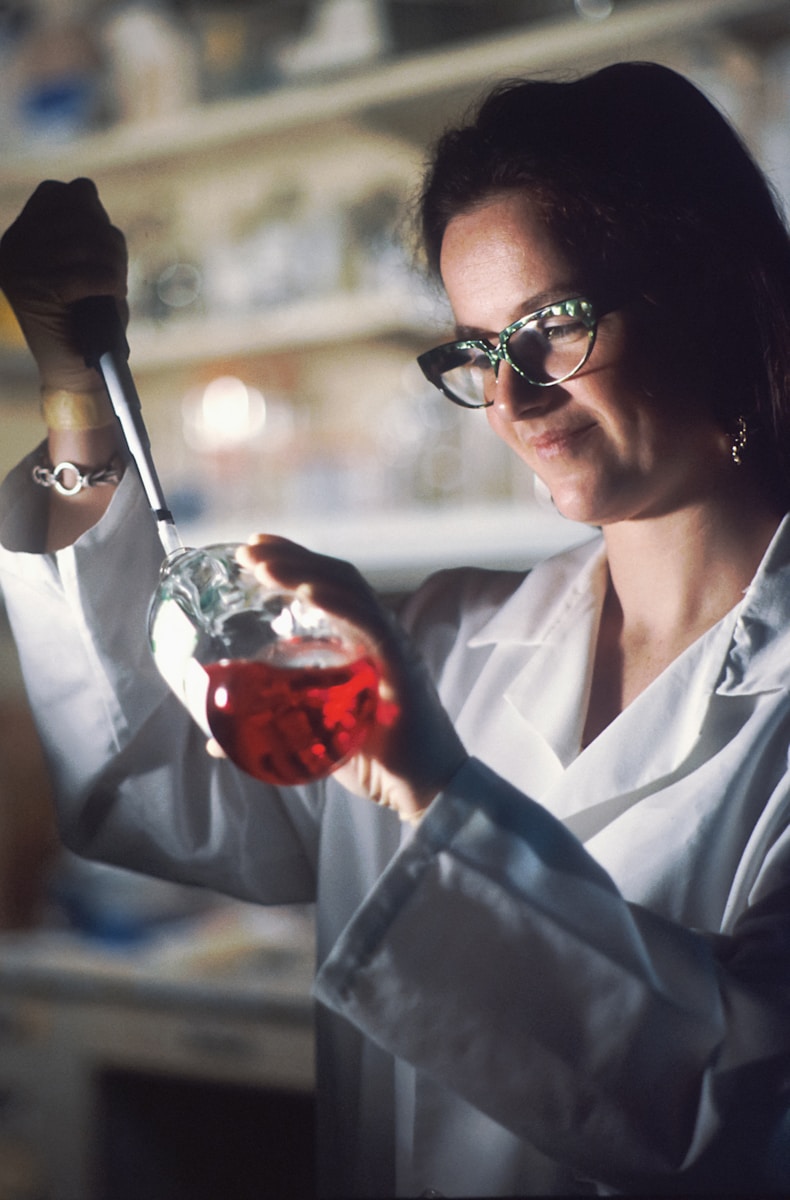
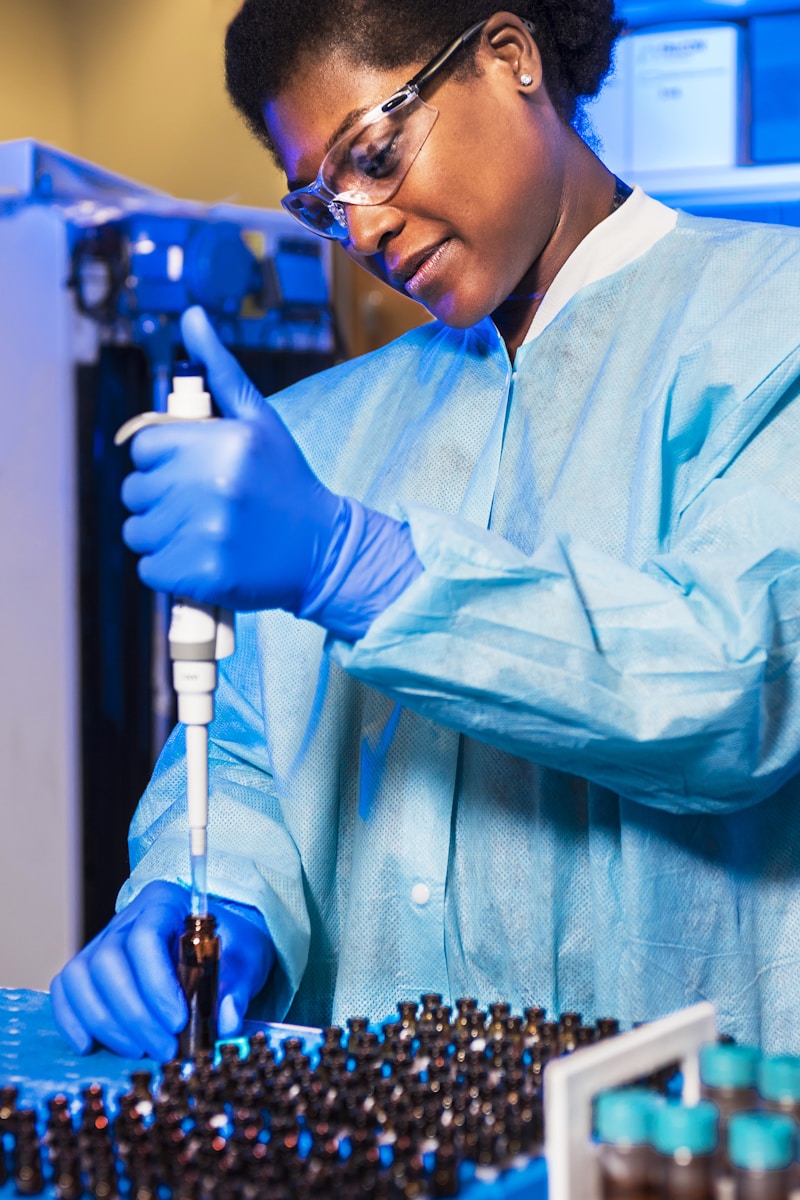
Analysis: Whether it is Chemical Pathology or Microbiology, samples are processed using calibrated, automated analyzers under the supervision of specialist pathologists.
Post-Analysis: Results are not just “released”; they are verified. Complex algorithms and human expertise cross-check values against clinical history to spot anomalies before they reach the doctor.
Why Traceability is Critical (Medical, Legal, & Ethical) In the digital age, traceability is the currency of trust. If a result is ever questioned—medically or legally—the laboratory must be able to reconstruct the entire journey of that sample.
Who collected it?
What time did it arrive?
Which reagent batch was used?
Who verified the final report?
This is where modern Laboratory Information Management Systems (LIMS), such as Labman3™, become essential. They create an unbreakable digital chain of custody for every specimen. This protects the patient ethically and protects the doctor legally.
Building Confidence with Technology By integrating these robust tracking systems with clinical expertise, we provide more than just data; we provide confidence. When a doctor receives a report from Target Pathology, they know it is the product of a secure, audited, and quality-controlled workflow.